Trusted Alvin HVAC Experts
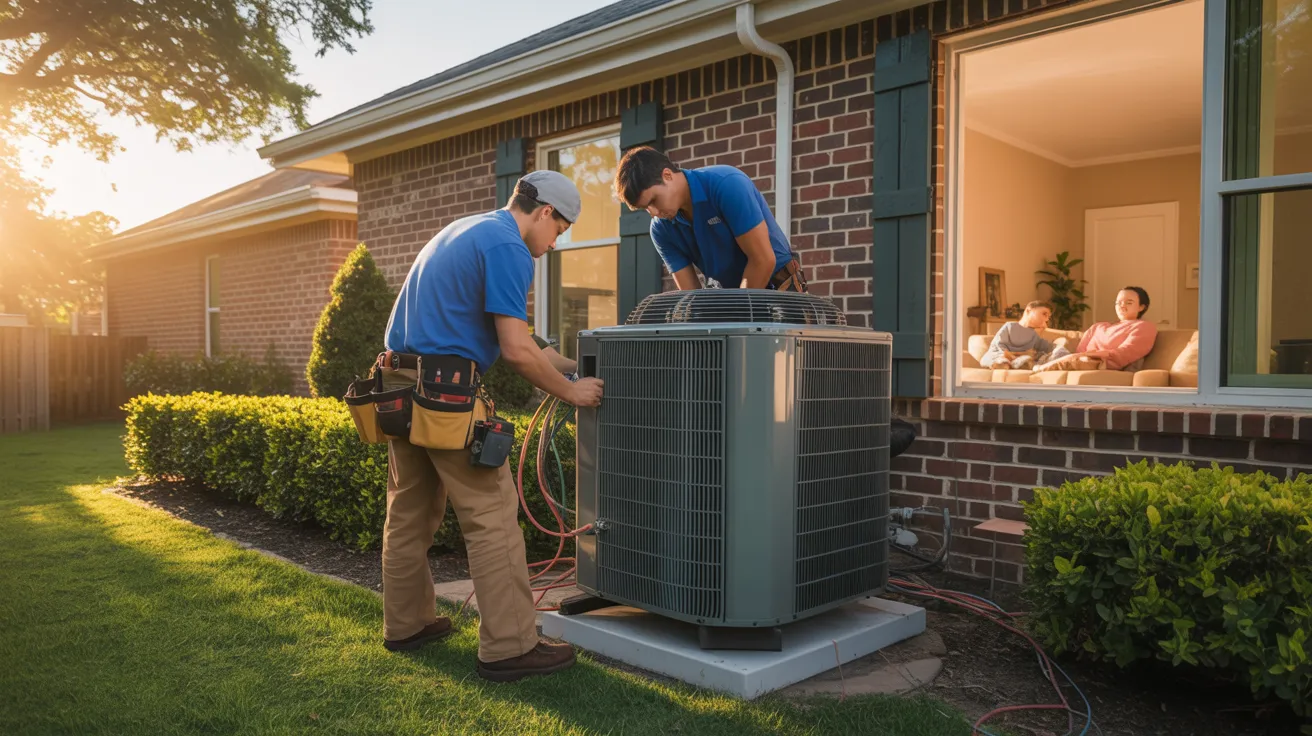
Professional Alvin air conditioning repair services are founded on accurate diagnostics, not guesswork. When your air conditioner delivers weak or warm air, cycles extended periods, causes electrical trips, cycles frequently, or drips water, you require a licensed Texas professional to measure airflow, static pressure, electrical values, and refrigerant pressure. You should also expect a written quote including parts, labor, and compliance-related corrections. The best company resolves the true fault, restores efficiency, and helps you understand whether fixing or replacing makes more sense.
Critical Highlights
- Choose an Alvin AC repair service provider with Texas licensing, insurance coverage, and trained technicians to follow OEM service guidelines.
- Dependable service starts with clear diagnostics, covering airflow, electrical, and refrigerant analysis, plus a written report before service commences.
- Indicators like poor airflow, warm air, frequent cycling, strange sounds, or elevated humidity mean your AC needs prompt inspection.
- Ask for an itemized proposal including parts, labor, refrigerant, and any regulatory or drainage modifications before authorizing work.
- Read reviews for punctuality, accurate troubleshooting, transparent pricing, warranty support, and effective resolution of repeat AC problems.
When You Need Alvin AC Professional Help
Your AC system commonly exhibits clear warning signs before complete failure. You should arrange Alvin AC repair when air delivery decreases, vented air becomes lukewarm, or cooling cycles run longer than typical. Variable room temperatures, multiple breaker trips, and unusual vibrations also indicate declining performance that needs prompt inspection.
You may detect rising indoor humidity, lagging startup, or repeated on-off cycling. Those symptoms often reveal system, electrical, or airflow faults that a professional can diagnose through control system troubleshooting, power checks, and airflow testing. Unpleasant odors, grinding sounds, or condensation around the air handler signal conditions that can harm components and diminish efficiency. If your electric costs escalate without higher usage, your system probably needs attention. Routine seasonal maintenance assists you spot these problems before failure occurs.
What Results in AC Problems in Alvin?
In Alvin, your AC often experiences performance issues when blocked air filters restrict ventilation and boost system strain. You may also have refrigerant leaks, which decrease system capacity, drop pressure, and can compromise essential components if they aren't addressed promptly. If you recognize these factors early, you can prevent system loss, variable cooling, and more major repair needs.
Contaminated Air Filters
Dirty air filters often initiate AC troubles by restricting airflow across the evaporator coil and requiring your system to run outside its engineered pressure and temperature ranges. Airflow restriction lowers heat transfer performance, elevates blower workload, and can create coil icing, short cycling, and uneven supply temperatures throughout your home.
You'll frequently notice weaker vents, longer run times, elevated energy consumption, and increased dust accumulation when filter maintenance gets overlooked. A clogged filter can also distort static pressure readings, requiring diagnostic testing critical before you presume a deeper mechanical fault exists. You should change or clean filters according to manufacturer specifications, occupancy levels, and indoor air conditions. Throughout service, your technician should verify filter sizing, installation direction, cabinet sealing, and pressure drop to ensure proper system airflow and stable operation.
Refrigerant Leaks
Refrigerant loss from your AC unit result in diminished cooling capacity because the evaporator and condenser can't sustain the needed pressure levels and sat temperatures for adequate heat exchange. You'll typically see symptoms like longer run times, weak supply air, coil icing, or raised superheat and compressor discharge temperatures.
Leaks commonly form at brazed joints, Schrader cores, service valves, evaporator tubing, or rubbed line sets. Factors contributing to failure include corrosion, vibration, poor installation, and age. You shouldn't just add refrigerant; that conceals the problem and can break code or manufacturer specifications. Appropriate leak detection by a qualified technician includes nitrogen pressure testing, electronic instruments, or ultraviolet dye, then refrigerant recovery before opening the circuit. The equipment requires evacuation, accurate factory charge weight-in, and verification of appropriate subcooling and performance after repairs.
Causes of Warm or Low Air from Your AC
If your AC supplies warm or low air, you're most likely dealing with a clogged air filter, low refrigerant, or leaking ductwork. You can usually attribute reduced airflow to a blocked filter, while temperature loss may point to a refrigerant charge issue or duct leakage. Locating the specific issue and restoring correct unit performance needs a complete inspection.
Restricted Air Filter
The simplest cause your AC blows warm or poor air is frequently a clogged air filter because it restricts airflow across the evaporator coil and hampers normal heat transfer.
When troubleshooting weak supply from registers, you should check the filter first. A dirty filter that's visibly clogged causes airflow impedance that can reduce efficiency, increase run times, and overwork blower components. In severe cases, the evaporator coil may professional guide get too cold, lowering performance further. Verify the filter size, MERV rating, and installation direction to ensure compliance with manufacturer requirements. Replace disposable filters on schedule, or clean reusable ones correctly. Consistent filter maintenance helps return normal airflow, protects equipment, and supports consistent cooling performance.
Refrigerant Or Duct Issues
Beyond air movement blockages, refrigerant problems and duct defects can also cause your AC to deliver warm or poor air. If refrigerant charge falls from leaks, your evaporator can't absorb adequate heat, so supply temperatures rise and cooling capacity falls. You must not top off refrigerant randomly; EPA-compliant technicians must locate leaks, fix them, and execute refrigerant recovery before refilling the system to manufacturer specifications.
Duct issues generate comparable symptoms. If treated air escapes through loose joints, collapsed runs, or open plenums, rooms obtain less air movement even when the blower operates normally. You may also have pressure imbalances that pull warm attic air into return ducts. A technician should check static pressure, close leaks, confirm insulation, and perform duct balancing so each register delivers the designed air flow and temperature.
How Alvin Experts Detect AC Problems
The assessment initiates with unit information and measured function: an Alvin technician will verify thermostat settings, check the air filter, and measure intake-exhaust temperature difference, static pressure, voltage, amperage, and refrigerant levels before reaching conclusions.
From there, you'll observe experts match those values against factory guidelines and local compliance standards. They use diagnostic equipment to check capacitors, contactors, relays, blower operation, condensate safety switches, and compressor winding integrity. They also analyze equipment history, covering past repairs, ongoing fault occurrences, and service schedules, because data often uncover root factors. If airflow is low, they'll locate impediments in ducts, coils, registers, or the blower assembly. If electrical measurements drift, they'll identify weak connections, inconsistency, or controller faults. This systematic method ensures you get accurate findings, regulation-compliant service, and repairs that correct core causes.
Should You Choose AC Repair or Replacement?
Your determination between AC repair and replacement should rely on verified condition, repair cost, efficiency loss, and remaining service life—not guesswork.
Before making a decision, you should inspect compressor integrity, refrigerant circuit leakage, blower operation, coil condition, and control-board reliability.
If your system performs within manufacturer specifications and the failure is localized, repair usually makes sense.
If testing indicates repeated component degradation, dropping energy efficiency, R-22 dependence, or structural corrosion, replacement is typically the proper option.
You should also assess SEER performance against current standards, confirm duct compatibility, and review warranty transferability if the property changes hands.
A professional load calculation and static-pressure test will show whether your existing equipment is appropriately sized.
With that data, you can reach a defensible decision based on performance, risk, and extended reliability.
What Are the Costs for AC Repair in Alvin?
AC repair rates in Alvin can vary widely, but you can pinpoint the estimate by looking at the faulty component, inspection results, refrigerant type, work hours, and code-related corrections. Swapping a capacitor or contactor is usually less expensive than repairing a fan motor, circuit board, or evaporator coil. When your system operates with obsolete refrigerant, component charges go up sharply.
You should also consider leak testing, electrical diagnostics, air measurement, and thermostat calibration, since confirmed testing determine total labor. Seasonal pricing increases rates during summer peak season, and urgent service fees apply when you book after-hours or weekend service. Your invoice will go up if the technician must fix unsafe wiring, drainage problems, or clearance violations to achieve code compliance. Request an itemized estimate so you can compare parts, labor, and compliance fixes accurately.
How to Identify a Reputable Alvin AC Repair Contractor
Review Alvin AC repair companies by confirming the controls that determine service excellence: Texas licensing, liability insurance, diagnostic process, warranty terms, and proven track record with your equipment type. Confirm the service deploys licensed technicians and observes manufacturer service protocols.
Request a written diagnostic summary before authorizing repairs. The report must identify symptoms, test techniques, measured readings, failed components, and suggested corrective actions. Evaluate warranty protection for parts and labor, including exclusions and response times. Validate whether the contractor keeps permits, safety training, and compliance records. Check customer reviews for patterns involving punctuality, precise troubleshooting, pricing transparency, and callback resolution. Ask whether the team maintains common parts for your system brand. When you evaluate these elements objectively, you'll lower risk and select a dependable Alvin AC repair service.
Frequently Asked Inquiries
Can You Get Emergency or After-Hours Service from Alvin AC Repair Providers?
Various Alvin AC repair businesses provide emergency service, letting you to receive aid when your system malfunctions without warning. You'll need to validate round-the-clock response coverage, dispatch reach, and technician licensing prior to scheduling. Reputable contractors employ quick diagnostics to isolate electrical, refrigerant, or airflow issues swiftly. You should also check overtime rates, parts inventory, and anticipated arrival times, so you can make a compliant, well-informed service determination.
Are Payment Plans Provided for Major AC Repairs in Alvin?
Numerous Alvin AC repair companies deliver financing for major repairs, but the details can alter your complete cost. You'll commonly discover payment plans and credit choices tied to system diagnostics, repair extent, and approval criteria. Ahead of you agree, review interest rates, term durations, deferred-payment stipulations, and service warranties. If you analyze the contract thoroughly, you can sidestep compliance concerns, defend your budget, and restore cooling without unnecessary financial stress.
How Much Length Do Most Alvin AC Repair Appointments Need?
Most Alvin AC repair appointments take 1 to 3 hours, according to unit condition, issue complexity, and parts availability. You'll notice some appointment variability when technicians conduct diagnostics, test refrigerant levels, test power components, or order replacement parts. The typical duration stays quicker for minor fixes like capacitor swaps and longer for compressor, blower, or leak-related repairs. You can decrease delays by providing system history and ensuring clear equipment access.
Is a Service Warranty Offered With AC Repairs in Alvin?
Yes—several AC repairs in Alvin feature a service warranty, but coverage changes considerably by company and component. You obtain protection, but you must verify exclusions. Review whether the service warranty protects labor, parts, or only particular diagnostic corrections. Obtain written terms, length, claim procedures, and any conditional coverage requirements. You should also verify if inadequate maintenance, refrigerant leaks, or previous system faults invalidate protection before approving service.
Can Regular Maintenance Help Prevent Future AC Repairs in Alvin?
Yes, consistent maintenance can assist you in preventing future AC repairs in Alvin. You minimize wear by planning routine evaluations that detect refrigerant leaks, electrical faults, and restricted airflow early. You also improve system effectiveness through regular filter replacements, coil servicing, and thermostat adjustment. When you service your unit consistently, you minimize breakdown risk, lengthen component durability, and meet manufacturer recommendations. That anticipatory strategy enables you to prevent high-cost corrective repairs later.
Conclusion
When your system displays red flags, quick Alvin AC repair stops small faults from turning into compressor failures. Blocked airflow alone can lower cooling efficiency by up to 15%, which is a definite sign of how swiftly small issues escalate. If you're experiencing lukewarm air, reduced airflow, or frequent cycling, you must have a precise diagnosis rather than guesswork. Select a licensed Alvin AC repair company that tests components, verifies root causes, and proposes the most economical repair or replacement route.